Build a Safe First-Mission Routine
Quasimorph becomes far less punishing once you stop treating every contract as a race. Early success is about bringing enough supplies, reading the mission briefing, and preserving clones that can return with useful gear.
Before launching, inspect the displayed skull difficulty and floor count. These are practical estimates for how much ammunition, food, medicine, and durability you should expect to spend. A short low-skull mission can be a profitable learning run; a multi-floor contract with several red skulls can drain an unprepared loadout quickly.
Start with equipment you understand instead of filling every slot with unfamiliar items. A dependable weapon, matching ammunition, healing supplies, and enough calories matter more than a complicated build.
| Pre-mission check | Why it matters | Early-game approach |
|---|---|---|
| Difficulty skulls | Indicates expected danger | Favor low-skull jobs while learning |
| Floor count | Predicts supply consumption | Bring more food and ammo for each additional floor |
| Contract type | Changes enemy pressure and loot | Choose exploration-friendly contracts first |
| Evacuation rules | Determines when you can leave safely | Know your settings before risking a valuable clone |
Difficulty settings are also valid learning tools. If losing equipment or a clone is preventing you from understanding the systems, customize the experience. Options can reduce losses, alter backpack capacity, adjust calorie demands, repair gear between missions, or make mission recovery more forgiving.
That does not remove the need for good decisions. It gives you enough room to learn why a door opened at the wrong time, why hunger became a combat problem, or why a single missed shot changed a fight.
Choose Contracts and Locations Carefully
Avoid defense missions at the beginning. Their attackers provide much of the available loot, so they tend to offer fewer opportunities to refill supplies from the environment. Their layouts can also leave melee-focused operators exposed, with fewer useful places to break line of sight.
Conquest and elimination contracts are generally easier early choices because they give you more control over pace, positioning, and scavenging. You can clear rooms methodically, examine containers, and decide whether a fight is worth taking.
Mars, Phobos, and Deimos are useful early destinations during the relevant main-story period. Quasimorph activity is absent there until that story progression changes, so enemies are usually ordinary humanoid opponents rather than enemies transformed by the escalating Quasimorph threat. This gives new players time to learn combat and looting without another clock constantly raising the stakes.
| Early option | Main advantage | Main caution |
|---|---|---|
| Conquest contracts | More room to explore and collect supplies | Do not overstay once resources run low |
| Elimination contracts | Clear objectives and controlled engagements | Check every approach before opening doors |
| Defense contracts | Can be fast when well equipped | Limited loot and punishing open fights |
| Mars system jobs | Fewer Quasimorph complications early on | Conditions change after story progression |
Use the early Mars system to create a reserve on your ship. Bring home armor, ammunition, medicine, crafting materials, and spare weapons before moving into more dangerous locations. A stocked ship lets you recover from a bad run instead of entering the next contract with improvised gear.
Faction choices matter over time. Supporting powerful factions can improve the rewards you receive and reduces the number of well-equipped groups you must fight. Realware and SBN are often worthwhile allies because their equipment and combat strength make them costly enemies. Tezclan is dangerous too, so do not ignore its growth completely.
Pick a rough long-term plan rather than accepting every mission indiscriminately:
- Support factions whose rewards match the weapons or armor you want.
- Avoid repeatedly strengthening every rival at once.
- Consider whether a contract forces you to fight a faction you would rather keep friendly.
- Take lower-risk jobs when you need supplies, not reputation swings.
- Reassess the map after major contracts and story progress.
Win Fights With Movement and Door Discipline
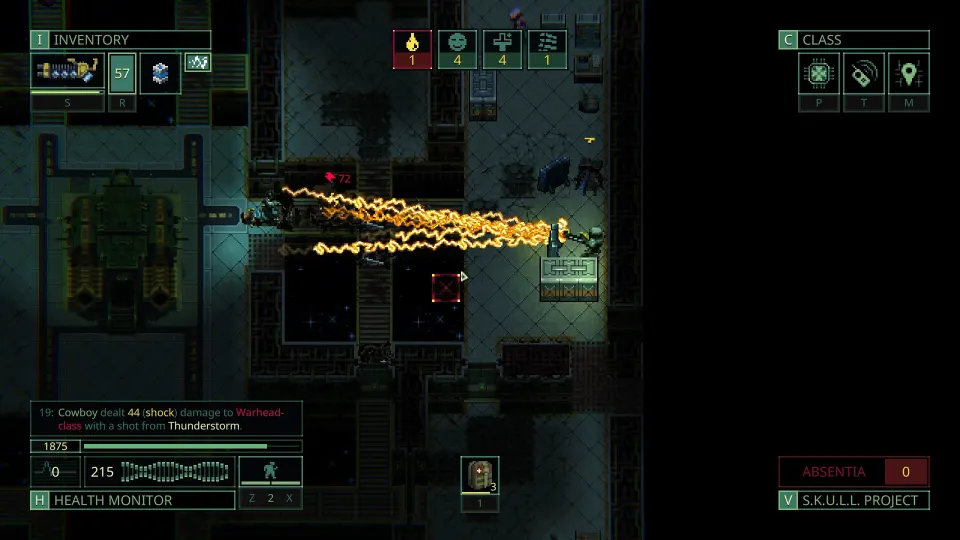
Movement mode is one of the most important early-game systems. Stealth, normal movement, and running are not simply speed settings; each changes your information, action economy, accuracy, and ability to interact with the environment.
Stealth movement is excellent outside combat. It helps reveal nearby enemies, including enemies beyond closed doors, and uses fewer calories per action. That information is often enough to prevent an ambush before it starts.
Normal movement is the best default once combat begins. Two actions let you combine movement, shooting, door interaction, or healing with more flexibility than running. A common safe pattern is to approach a door while using stealth, open it only when positioned to retreat or fire, then switch to normal movement for the fight.
| Movement mode | Actions and benefits | Best early use |
|---|---|---|
| Stealth | Better enemy awareness and lower calorie use | Exploring halls and approaching closed doors |
| Normal | Flexible two-action turns | Most combat situations |
| Run | Fast movement but lower accuracy | Escaping danger or builds designed around it |
Running grants three actions but applies an accuracy penalty. It also prevents actions such as interacting with objects, looting, opening doors, and treating injuries. Use it to create distance, cross a dangerous lane, or flee a fight that has already gone wrong. Do not run into an unknown room hoping to loot or heal there.
Doorways deserve patience. Stand where you have an exit route, use stealth to gather information, and avoid ending a turn exposed to several enemies. If the room is crowded, back away and make enemies come through a narrower approach.
Watch action points on tougher enemies. Later opponents may have enough actions to punish careless positioning immediately. A plan that worked against early enemies can fail when a stronger target shoots, moves, and shoots again.
Turn Every Run Into Supplies
Looting is not separate from survival in Quasimorph. Ammunition, weapons, armor, body parts, and hazardous materials can all become resources through dismantling or other processing. Early crafting becomes much easier when you learn what unwanted equipment turns into.
Disassemble items whenever their parts are more useful than the item itself. Regular ammunition can provide gunpowder, while poison ammunition can provide acid. Weapons and armor break down into components that may be more valuable than hauling home damaged gear.
| Item or resource | Useful early action | Potential value |
|---|---|---|
| Regular ammunition | Disassemble surplus stacks | Gunpowder and components |
| Poison ammunition | Disassemble when not needed | Acid |
| Damaged weapons | Break down unwanted pieces | Parts and materials |
| Armor | Compare protection to material return | Crafting inputs |
| Body parts | Process when desperate or resource-poor | Food or biological materials |
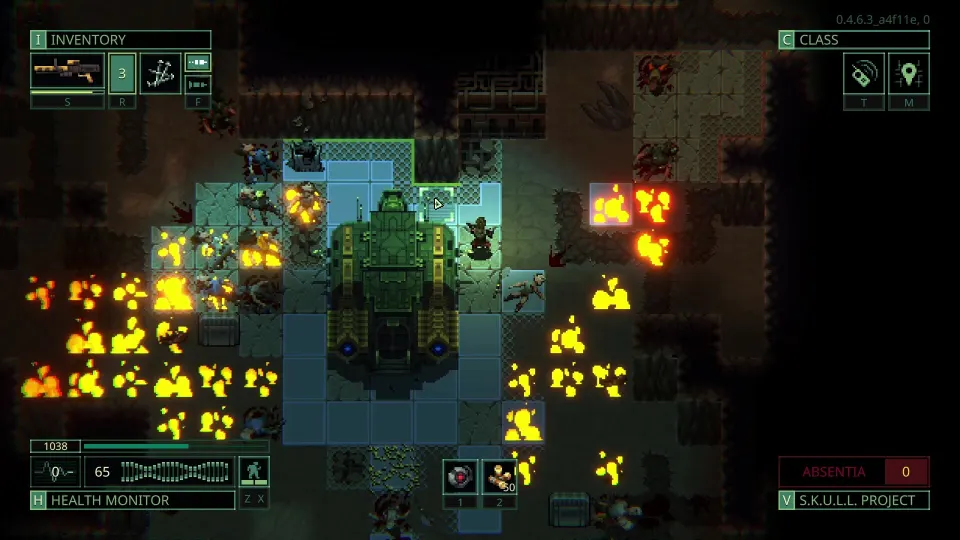
Hazardous containers require special attention. Fuel and poison can turn a routine firefight into a disaster when stray shots hit them. Before engaging enemies near a container, interact with it and move fuel or poison onto the ground. Once removed, the dangerous material is no longer sitting inside an easy explosive target.
This is especially valuable in tight rooms. You do not want a missed shot, enemy fire, or a panicked retreat to trigger an explosion beside your clone.
Food is another resource, not an afterthought. Stealth movement lowers calorie use, which stretches your supplies. When food is scarce, body parts can become emergency rations, though that choice carries obvious risks. Treat survival food as a backup plan, not a normal diet.
A furuncle can temporarily add five health during the current mission. It may also cause infection, so only eat one if you have a way to manage that possibility. The extra health can save a run, but infection can end it later if you use the item without a response ready.
FAQ
What is the best first step in a quasimorph early game guide?
Choose low-risk contracts, especially conquest or elimination jobs, and learn on Mars, Phobos, and Deimos before pushing into more complicated regions. Read the skull rating and floor count, then pack for the mission rather than taking a generic loadout.
Should beginners play defense missions?
Usually no. Defense missions can be harder to prepare for, provide less map loot, and expose melee builds to dangerous open engagements. Return to them after building a deeper supply reserve and gaining confidence with positioning.
Which movement mode should I use most?
Use stealth while exploring and approaching closed doors. Use normal movement during most fights because two actions allow safer combinations of movement, shooting, and interaction. Save running for escape routes, rapid repositioning, or a build that specifically benefits from it.
How can I avoid deaths from fuel and poison containers?
Inspect the room before fighting. Interact with hazardous containers and remove fuel or poison from them before gunfire begins. This prevents a stray bullet from turning the container into a deadly environmental hazard.
Is dismantling gear worth the time?
Yes. Dismantling builds your crafting stockpile and teaches you which items provide the materials you need. Keep useful equipment, but convert surplus ammunition, damaged weapons, and unwanted armor into resources instead of leaving them behind.