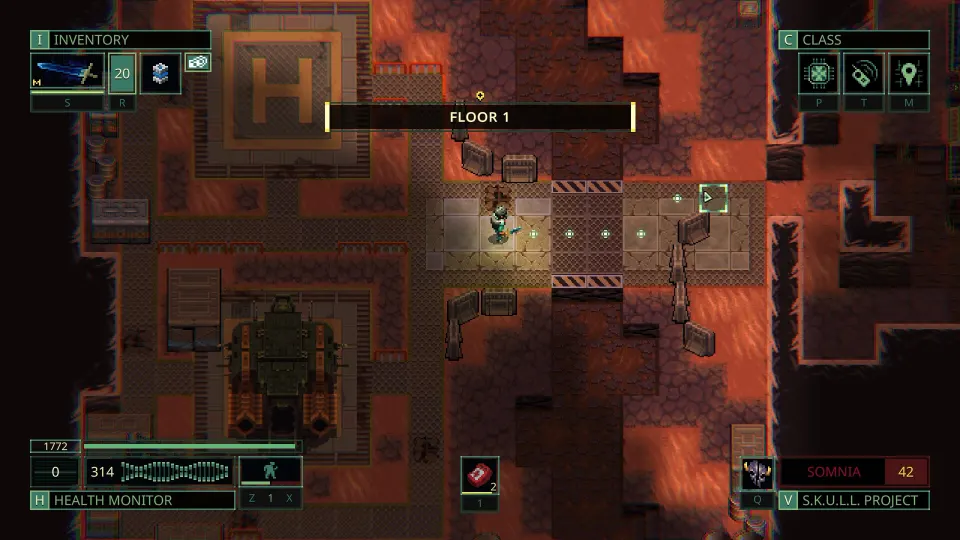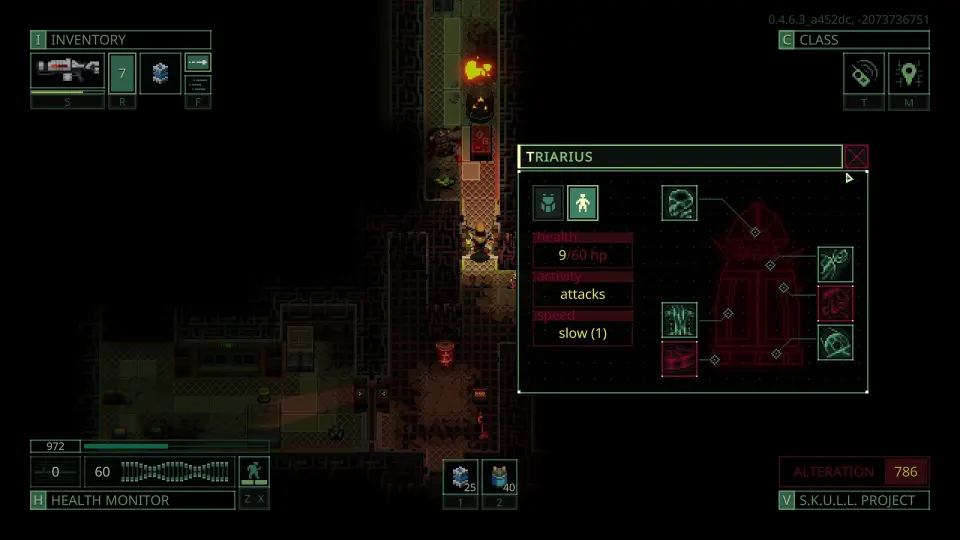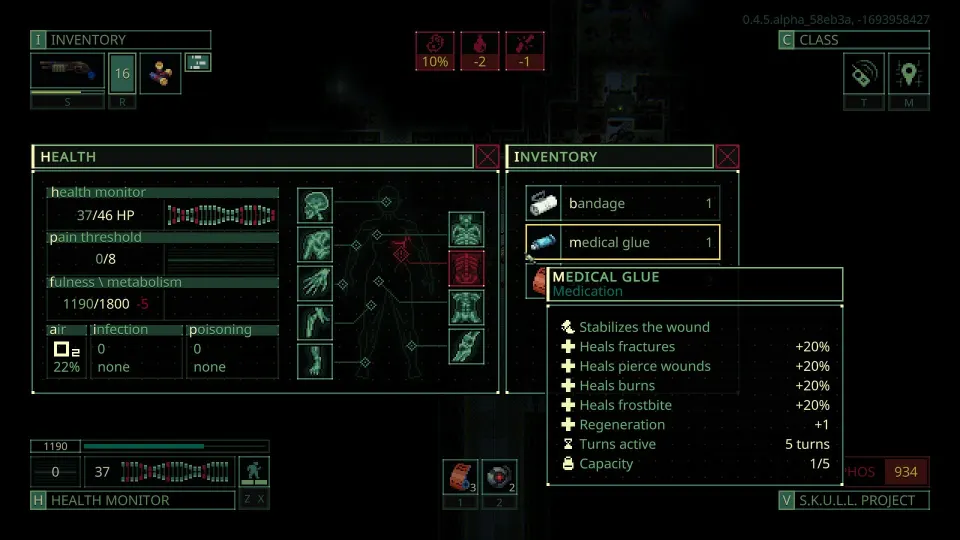
Can You Turn Weapons Into Currency?
If you are asking “quasimorph can you sell weapons,” the important answer is that weapons are primarily useful as equipment, loot, and faction-provided purchases rather than a clearly documented direct source of cash. Your better trading opportunities come from exchanging valuable mission items, building faction reputation, and buying the gear or upgrade parts you actually need.
This matters because it is easy to leave a mission carrying every gun you find, expecting a conventional vendor system to turn spare weapons into money. In Quasimorph, planning around faction stations and commodity availability is more valuable than treating every weapon as merchant stock.
Keep useful firearms for your operators, salvage what supports your crafting and mission goals, and use station trading to fill deliberate gaps in your loadout.
| Item or resource | Best use | Why it matters |
|---|---|---|
| Found weapons | Equip operators or retain as backups | A reliable weapon can be more valuable than uncertain trade value |
| Secret data | Trade with a faction | Can provide starting gear, quests, and reputation |
| Weapon cases | Buy through commodity markets | Helps secure weapon-related supplies when loot is unreliable |
| Armor cases | Buy through commodity markets | Supports planned defensive upgrades |
| Welding machines | Obtain from missions or stations | Useful when pursuing equipment-related progression |
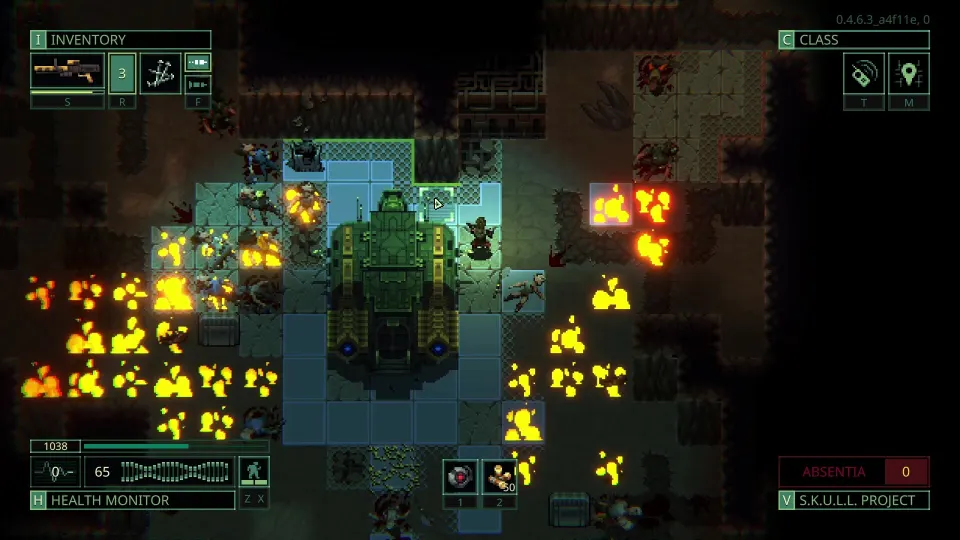
Use Factions Instead of Hoarding Guns
The early tutorial path gives you Ancom secret data after Rogue City. This item is a meaningful trade asset: it can be handed to a station to receive extra starting equipment. The receiving faction also gains your favor, so the choice can shape your immediate access to gear and future opportunities.
Giving the data to Ancom, Realware, or Tesclone can open their story-related quest paths. Choosing another faction supports a route with less focus on those story lines. Neither approach means you must remain loyal forever. You can complete contracts for one faction to unlock purchases and later work with another group when its inventory suits your current needs.
That flexibility is the key to handling surplus equipment. Rather than trying to convert every unwanted weapon directly into currency, decide which faction relationships will unlock the tools, upgrades, and supplies you lack.
A practical early-game routine looks like this:
- Keep weapons that cover different engagement ranges or ammunition needs.
- Replace clearly weaker duplicates only when you have a dependable alternative.
- Trade important mission items intentionally, especially secret data.
- Run contracts for factions with station inventories that support your next upgrade.
- Check commodity markets for weapon and armor cases instead of waiting only for lucky mission drops.
Some factions can provide strong starting equipment through the secret-data trade. Realware, Tienming, and Civil Resistance are associated with notably useful armor options. Dilfy and Planet Bridge offer effective shock weapons, while Brunch provides a long-range shotgun. Forward supports fire-focused builds with a flamethrower, and Grasshopper can offer a marksman-oriented package including a vest, servo pack, and rifle.
| Faction | Notable trade or equipment direction | Good fit for |
|---|---|---|
| Realware | Strong starting armor | Players prioritizing protection |
| Tienming | Strong starting armor | Durable early operators |
| Civil Resistance | Strong armor and weapon-case access | Balanced early preparation |
| Dilfy | Shock weapons | Stun or shock-oriented combat |
| Planet Bridge | Shock weapons | Alternative electrical loadouts |
| Brunch | Long-range shotgun | Players wanting ranged stopping power |
| Forward | Flamethrower | Close-range fire builds |
| Grasshopper | Rifle, vest, and servo pack | Marksman-style starts |
Buy What You Need Through Stations
Station inventories become much more useful once your reputation reaches the necessary level. On Earth, corporate headquarters are especially dependable early locations because they cannot be captured at the start, so their ownership remains stable. That gives you a reliable place to return when you are working toward specific upgrade components.
After doing enough contracts for a faction and raising reputation above 25, certain stations let you purchase targeted items. This is a more predictable form of progression than hoping a particular mission chest contains the component you need.
The most valuable purchases may not be weapons at all. Management units, research and cloning units, switchboards, and AI chips unlock major areas of ship and operator development. These upgrades can improve mission availability, loot extraction, and modification options, which often has a larger long-term impact than acquiring one more gun.
| Faction or station source | Available item | Progression benefit |
|---|---|---|
| SP and Daydream Chem locations | Initial upgrade-related stock | Useful Earth-based purchasing access |
| HRG | Management units | Supports monitoring upgrades |
| AES | Research and cloning units | Supports research and cloning development |
| AKK | Switchboards and AI chips | Supports technical upgrade paths |
| Realware in Mars orbit | Weapon cases | Reliable weapon-case commodity source |
| Civil Resistance at Rogue City, Phobos | Weapon and armor cases | Stable headquarters market access |
| Cward on Phobos | Welding machines | Helps when mission drops are scarce |
Monitoring upgrades can generate missions without requiring travel. Class modification capsules improve loot extraction potential. Operator modification expands the ways you can shape a combatant for a specific job. When weapons and armor need work, upgrade materials and crafting access become part of the same decision.
Before spending time chasing another firearm, ask whether your operator lacks firepower, survivability, ammunition support, extraction capacity, or a key ship upgrade. A targeted station purchase usually answers that question better than a random collection of spare weapons.
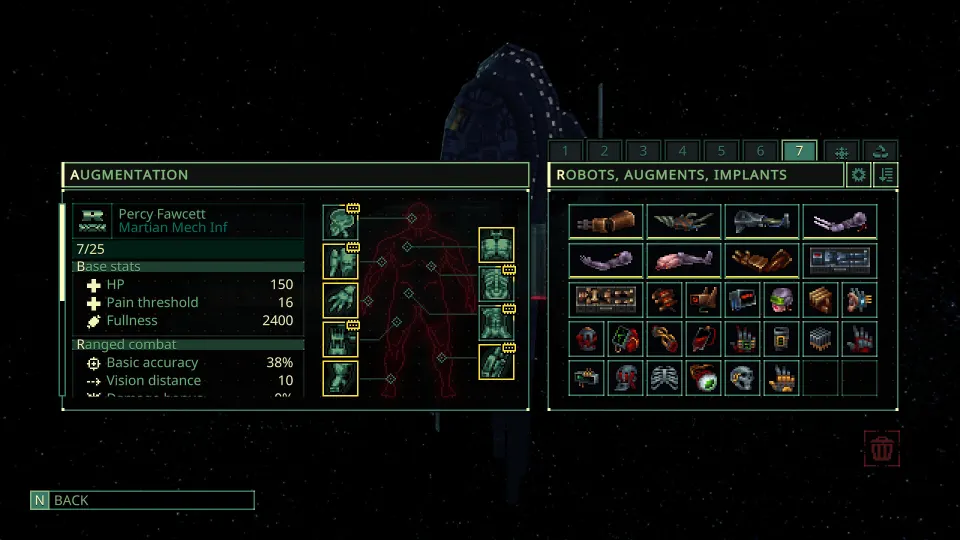
Manage Spare Weapons With a Loadout Plan
Even without relying on direct weapon sales, spare guns still have value. They let you protect against losses, arm new operators, try a different combat style, or keep a backup for a weapon type that performs well against a particular mission problem.
Avoid keeping every duplicate automatically. Storage space and attention are resources too. Sort items by whether they provide a distinct capability.
A simple weapon review can use these questions:
- Does this weapon use ammunition or a damage type my current team needs?
- Is it meaningfully better than the weapon already assigned?
- Does it support a planned build, such as shock, fire, shotgun, or marksman play?
- Could it arm a replacement operator after a bad mission?
- Would a weapon case, armor case, or upgrade component solve a more urgent problem?
A shock weapon may be worth retaining even if it is not your everyday choice because it offers a different tactical tool. A long-range shotgun can change how you approach distance and corridors. A flamethrower may be specialized, but it can justify its storage when you are deliberately building around close-range pressure.
Likewise, armor should not be treated as an afterthought. The early faction trade options can establish a more durable starting team, and armor cases available through stable headquarters markets can make defensive planning less dependent on random drops.
The most effective inventory is not the largest one. It is the one that gives each operator a role and preserves a small reserve of replacements. If you have five nearly identical weapons, keep the best-equipped examples and focus your next contracts on reputation, upgrades, or commodity-market supplies.
FAQ
Quasimorph can you sell weapons directly?
A direct player-facing system for selling individual weapons for currency has not been officially confirmed here. Treat weapons chiefly as equipment, backups, and mission loot, while using faction trading and station markets for planned progression.
What should I trade after the tutorial?
The Ancom secret data is an important early trade item. Giving it to a faction provides additional starting gear and raises reputation with that recipient. Your choice can also begin certain faction quest lines.
Which factions are good for early equipment?
Realware, Tienming, and Civil Resistance are useful choices for strong armor. Dilfy and Planet Bridge have shock-weapon options, Brunch offers a long-range shotgun, Forward offers a flamethrower, and Grasshopper supports a marksman loadout.
Where can I reliably find weapon cases?
Realware has weapon cases available in Mars orbit. Civil Resistance at Rogue City on Phobos also offers weapon cases, along with armor cases. These headquarters are stable early locations for commodity-market planning.
Do I have to stay with one faction?
No. Completing contracts for a faction to access a needed item does not permanently lock you into that faction. Work with whichever groups help you obtain the equipment or upgrade components your current plan requires.