What Makes a Weapon Worth Using?
The best weapon is the one that ends a dangerous encounter before pain, wounds, or bad positioning end your run. In Quasimorph, damage matters, but accuracy, reload style, attachments, ammunition, and action economy often matter more.
A powerful gun with slow single-round loading can become a liability when enemies close in. Meanwhile, a quieter weapon with a laser sight and reliable ammunition can clear rooms safely while preserving health and supplies.
| Weapon strength | Why it matters | Best situation |
|---|---|---|
| High damage | Reduces shots needed to disable enemies | Tough single targets |
| Accuracy | Keeps shots reliable at practical range | Open rooms and corridors |
| Magazine reload | Restores several rounds at once | Sustained combat |
| Penetration | Helps damage armored enemies or targets in a line | Choke points |
| Suppression tools | Silencers reduce attention from nearby enemies | Careful clearing |
| Ammo effects | Wounds, freeze, and critical bonuses add control | Specialized enemy types |
Weapon tiers alone do not decide effectiveness. A lower-tier firearm with excellent handling may remain useful longer than a high-tier alternative with poor reloads, weak accuracy, or an awkward firing pattern.
For most runs, carry a main weapon for reliable fights and a secondary weapon for emergencies. Your backup should be light, quick to equip, and loaded with ammunition that fills a weakness in your main gun.
Best Pistols and Light Weapons
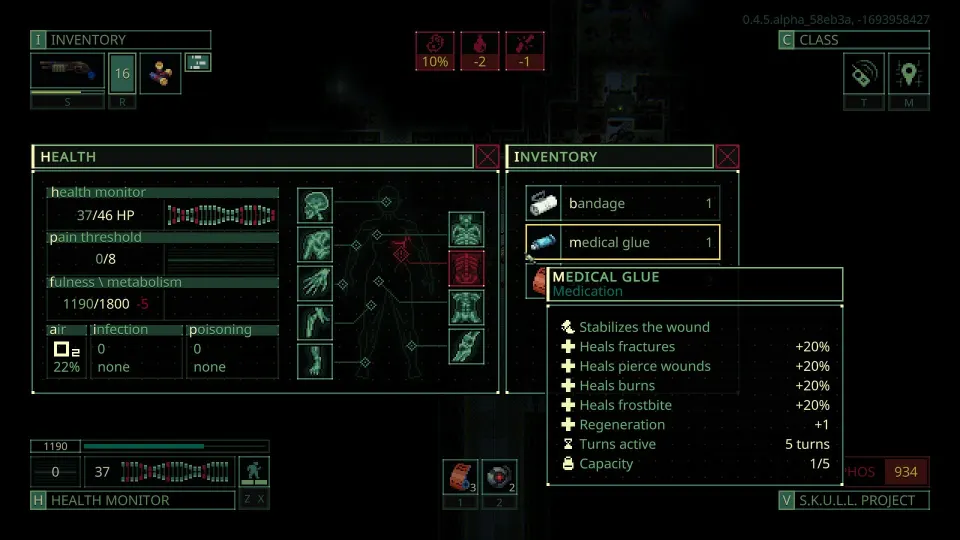
Pistols are more than starter gear when they have the right built-in equipment. A laser sight, suppressor, collimator sight, or penetration effect can make a handgun useful well into later missions.
The Galan Altim is an especially strong pistol option because it combines strong damage with practical attachments. Its suppressor supports quieter movement, while its sights help it stay accurate even when firing beyond its comfortable range. It is a good choice for players who want a dependable sidearm without sacrificing stealth.
The Redeemer is another standout, functioning almost like a compact precision weapon. Its penetration and laser support give it a strong role against enemies in corridors. Its drawback is individual-round reloading, so it rewards deliberate positioning rather than frantic close-range fights.
| Weapon | Strengths | Main drawback | Best use |
|---|---|---|---|
| Galan Altim | High damage, suppressor, laser, collimator sight | Can consume valuable ammunition quickly | Quiet general-purpose sidearm |
| Redeemer | Penetration, laser, strong precise shots | Individual-round reload | Long hallways and priority targets |
| Hydra | Can fire multiple rounds together | Lower base damage | Close-range burst damage |
| Ghost Mantis | Suppressor and laser support | Limited magazine capacity | Stealthy precision attacks |
| Broadcaster SMG | Large magazine and painful critical hits | Shorter effective range | Aggressive indoor combat |
Light weapons become much better when paired with class perks that increase damage, improve critical hits, cause wounds, or let bullets penetrate through enemies. A compact weapon can then incapacitate targets quickly enough to control a room before they get multiple turns.
When selecting a pistol or SMG, prioritize practical traits over raw tier:
- Pick silencers when you want to avoid attracting nearby enemies.
- Pick laser-equipped weapons when misses would be costly.
- Pick magazine-fed guns for hectic missions.
- Pick penetrating weapons for narrow corridors.
- Avoid relying on weak knockdown effects when a lethal option is available.
Rifles, Snipers, and Heavy Ammo Choices
Rifles offer the most flexible path for players who want range without giving up sustained fire. Assault rifles using .42 ammunition can be excellent when short-range SMGs no longer reach far enough. They are particularly useful in larger rooms where an enemy can punish a short-ranged loadout before you close the distance.
Sniper rifles are powerful but demand more attention to reload mechanics. Magazine-fed sniper rifles are substantially easier to use than models that require loading one round at a time. A single-round reload may be acceptable before a planned shot, but it can become disastrous if multiple enemies survive or arrive from another direction.
| Weapon category | Recommended role | Important stat to inspect | Common risk |
|---|---|---|---|
| Assault rifle | Flexible mid-range fighting | Accuracy and burst spread | Wasting ammo at long range |
| Sniper rifle | Eliminating dangerous targets early | Reload method and scope | Being caught while reloading |
| Machine gun | Holding corridors with repeated fire | Magazine size and recoil | Poor mobility and ammunition drain |
| Heavy-ammo weapon | High damage against resilient enemies | Penetration and damage upgrades | Expensive ammunition |
| Compact SMG | Fast close-range clearing | Range and critical potential | Limited reach |
Ammo selection can change a weapon’s role dramatically. High-power 9 mm ammunition can deal major damage and inflict wounds, though spread may become a concern. .42 ammunition can provide better critical potential, making it attractive for accurate rifles and precision-focused builds.
Freeze ammunition is valuable because few enemies resist its damage type well. It can make otherwise ordinary weapons far more dependable against unfamiliar threats. Rubber ammunition can knock enemies down, but it is usually less appealing when killing the target quickly would remove the threat entirely.
Do not assume every ammo variant is an upgrade. Match ammunition to your weapon’s strengths. Accurate, low-spread firearms benefit more from critical or high-damage rounds, while automatic weapons need enough control to keep bursts on target.
Weapon Upgrades and Build Priorities
Upgrading a weapon improves its numbers, not its fundamental handling. A low-tier sniper rifle can gain damage, but it will still reload one round at a time if that is how it was designed. A fully upgraded weapon can therefore remain worse than a naturally stronger alternative with better sights, magazine loading, or attachments.
Unlocking new gear is usually the better first use of chips. Weapon unlocks are partly luck-driven, and rare discoveries may take a long time to reappear. Spending chips on upgrades too early can delay access to a firearm that would replace your current project immediately.
Before investing heavily, improve engineering cost reductions. These upgrades reduce project costs and make later experimentation far less punishing. Higher project-level limits are also helpful, especially for equipment that would otherwise hit a low upgrade ceiling.
| Upgrade priority | Suggested investment | Why it helps |
|---|---|---|
| Damage | Around 10 levels | Keeps a favored weapon relevant longer |
| Accuracy | 1 or more levels | Improves consistency at useful ranges |
| Spread | 1 or more levels for automatic guns | Makes bursts less wasteful |
| Magazine size | Situational | Reduces reload pressure |
| Reload time | Situational | Helps weapons with otherwise good handling |
| Durability or weight | Low priority | Worth it only for a specific build |
Heavy-ammo weapons are often the safest upgrade candidates because their distinctive damage role can remain valuable longer. Special pistols with excellent attachments can also justify investment, particularly the Galan Altim and Redeemer.
Build perks can turn good guns into exceptional ones. Light-arms setups benefit from armor bypass, expanded enemy detection, painful critical hits, and wound effects. Penetration is especially valuable when enemies line up in a corridor, allowing one attack to affect more than one target.
Early in a campaign, defensive perks, scavenging benefits, and reduced food needs may matter more than damage perks. Once your clone has implants, accuracy training, evasion support, and better equipment, shifting toward offense makes aggressive weapon builds much safer.
FAQ
What are the Quasimorph best weapons for most players?
The Quasimorph best weapons are usually firearms with reliable accuracy, useful attachments, and manageable reloads rather than simply the highest listed damage. The Galan Altim, Redeemer, strong .42 assault rifles, and magazine-fed sniper rifles are excellent targets to seek.
Is the Galan Altim worth upgrading?
Yes, if you plan to use pistols regularly. Its high damage, suppressor, laser, and collimator sight give it strengths that upgrades cannot add to a weaker weapon.
Should I upgrade every weapon I find?
No. Save chips primarily for unlocking new equipment until you have a weapon with lasting strengths. Upgrade damage first, then add accuracy and spread improvements where needed.
Are sniper rifles good in Quasimorph?
They are powerful for removing dangerous enemies at range, but check the reload type first. Magazine-fed sniper rifles are more forgiving than weapons loaded one round at a time.
Which ammunition is most useful?
Freeze ammunition is broadly effective because few enemies resist it. High-damage and critical-focused rounds are also strong when used in accurate weapons that can make each shot count.