Why Legend Armor Matters
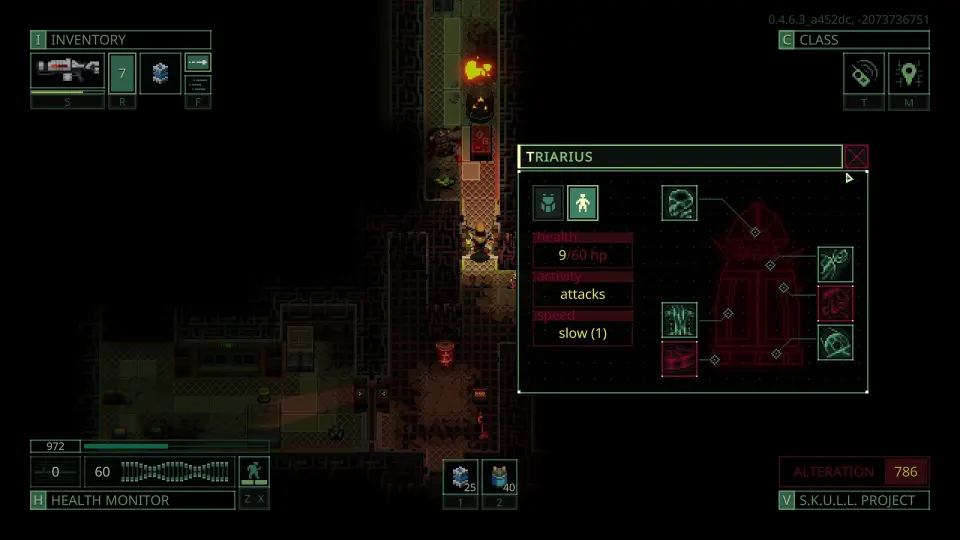
A strong armor setup keeps an extraction from ending when one enemy reaches the next doorway. In Quasimorph, “legend armor” is best understood as an endgame-ready armor build: a set with broad resistance, manageable weight, and few exploitable weaknesses.
Raw resistance is only one layer of defense. Heavy equipment can reduce dodge enough that automatic weapons, shotguns, and rapid-fire shock weapons land far more hits. A lower-tier set with sensible upgrades can therefore outperform a supposedly superior set that makes your clone easy to hit.
The goal is not to become invulnerable. It is to build enough protection that you can survive bad positioning, retreat from a close-range threat, and finish the mission without spending every resource replacing lost gear.
| Armor factor | Why it matters | Practical result |
|---|---|---|
| Resistance | Reduces damage from a matching damage type | Protects against predictable enemy weapons |
| Weight | Can impose a dodge penalty | Heavy gear may cause more incoming shots to connect |
| Dodge | Helps prevent direct hits | Especially valuable against multi-shot attacks |
| Coverage | Avoids a single low-resistance weakness | Limits sudden deaths from uncommon damage types |
| Upgrades | Improve selected armor statistics | Lets a cheaper suit cover a dangerous gap |
Build Around Damage Types, Not One Big Number
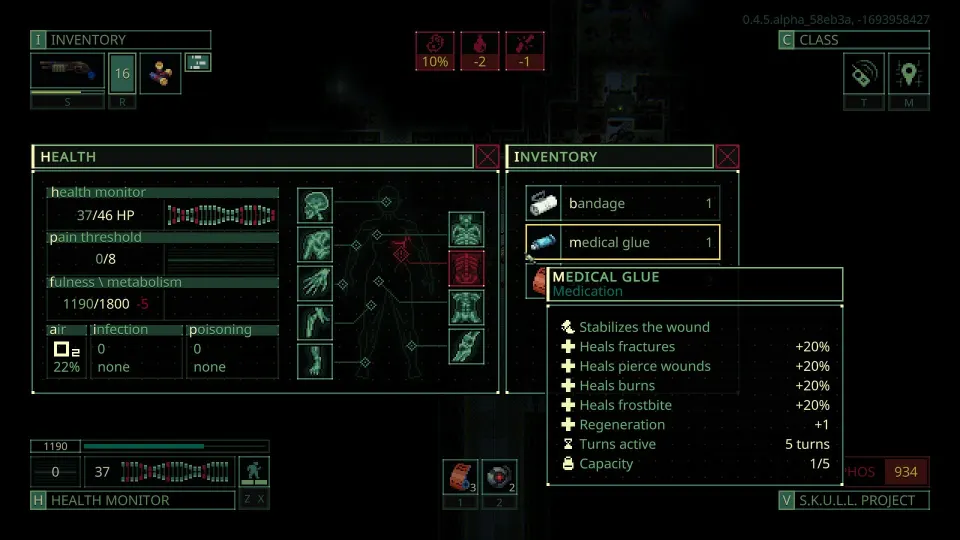
Armor resistance should be evaluated as a profile, not as a single score. Physical damage is common, but beam, shock, radiation, fire, cold, poison, and entropy can decide a fight when the enemy’s weapon bypasses your prepared defenses.
Beam and shock weaknesses deserve special attention. A suit may look excellent across most categories while having little or no answer to an energy weapon. Shock resistance can be difficult to obtain, so players should not assume every gap can be upgraded away.
Entropy is another important check for an endgame set. Fire and cold interact to produce entropy pressure, and the effective defense is constrained by the lower relevant resistance. Raising only one side can leave a clone exposed.
| Threat type | What makes it dangerous | Armor planning response |
|---|---|---|
| Physical | Common firearms and melee attacks | Keep reliable baseline resistance |
| Shock | Rapid-fire weapons can stack many hits | Preserve dodge; do not rely only on armor |
| Beam | Can expose a missing resistance category | Upgrade beam resistance when the set lacks it |
| Radiation | Can still create injuries at meaningful damage | Avoid treating percentage resistance as immunity |
| Fire and cold | Can contribute to entropy damage | Keep both defenses reasonably balanced |
| Corrosive effects | May damage armor and worsen later fights | Replace compromised gear before a deep run |
Some weapons also carry armor penetration, escalating damage, ricochets, or injury effects. Against these threats, the right response is often distance and cover rather than another small resistance increase. Armor gives room to make a decision; it does not erase the danger of standing in a doorway.
Weight, Dodge, and Range
The most common mistake in a quasimorph legend armor build is wearing every heavy item available without checking the dodge result. Negative dodge effectively increases an attacker’s chance to hit. Against an enemy firing several bullets, pellets, or bursts, that penalty can turn a manageable exchange into a lethal one.
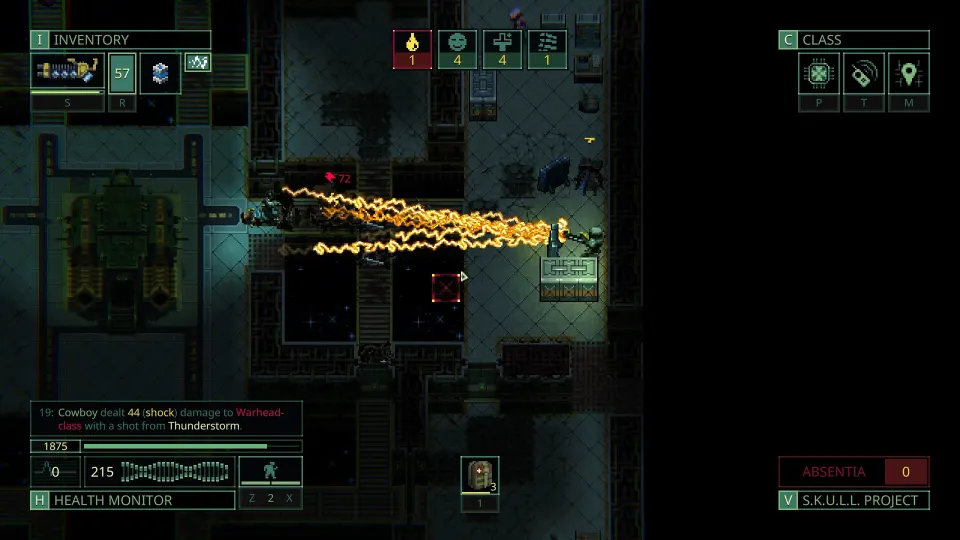
A rapid-fire weapon does not need huge damage per projectile to be deadly. If low dodge makes most of its shots connect, pain, injuries, critical hits, and status buildup arrive together. Shotguns are similarly dangerous at close range because multiple pellets can hit in one attack.
Range matters as much as the equipment screen. Weapons lose effectiveness past their useful distance, while close enemies can gain a dramatic damage advantage. Do not judge armor after absorbing shots from across a room and assume it will hold when an enemy opens a door beside you.
Use this quick check before committing to a heavy suit:
- Compare its resistance gains with the dodge penalty after every equipped piece.
- Keep distance from shotguns, burst weapons, and armor-piercing energy weapons.
- Use cover and doorways to avoid receiving a full volley.
- Retreat when corrosive damage or repeated injuries begin degrading the situation.
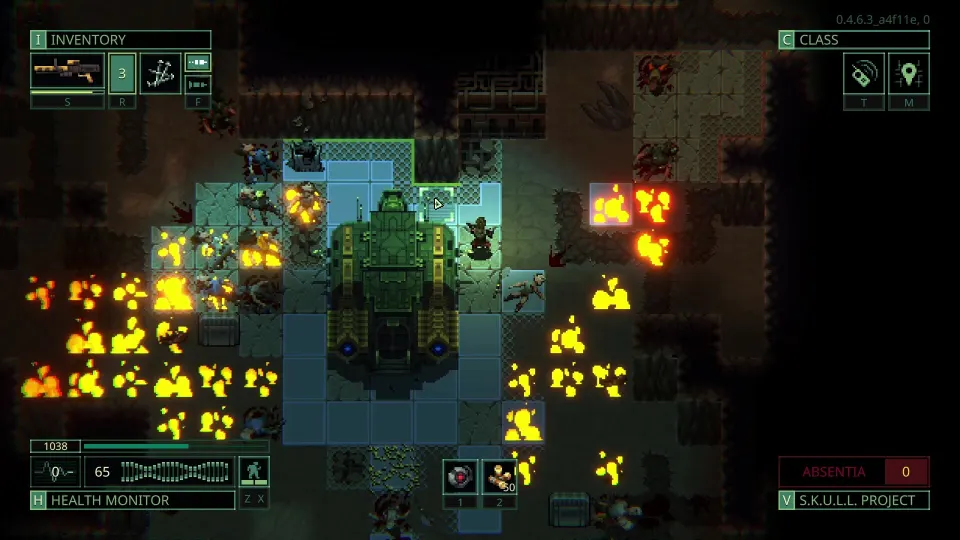
- Treat explosives as a positioning problem, since dodge is not a dependable answer.
| Situation | Better priority | Reason |
|---|---|---|
| Long corridors | Range and line control | Enemy damage may fall off before reaching you |
| Tight rooms | Dodge and close-range resistance | Burst weapons and shotguns become much stronger |
| Enemy uses a laser sight | Cover and resistance | High accuracy makes dodge less dependable |
| Multiple enemies | Mobility and broad defenses | A single weakness is more likely to be exploited |
| Deep extraction | Durability and repair economy | You must survive more than one encounter |
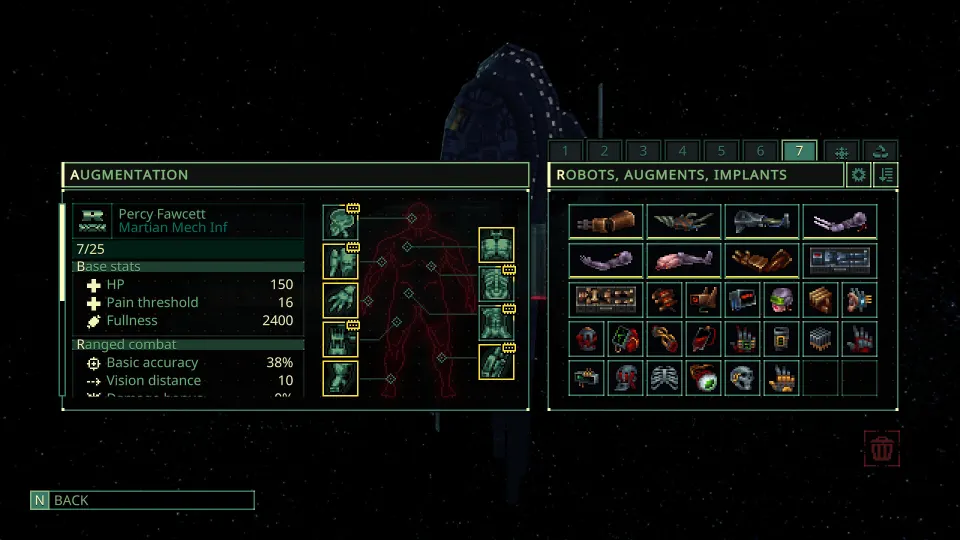
Upgrading an Endgame Armor Set
Armor upgrades are usually more efficient when they remove a meaningful weakness instead of trying to maximize every statistic. High-tier armor can become an excellent long-term project, but upgrading four separate pieces can demand substantial materials. A capable mid-tier set may be the better choice while resources are limited.
Look for tech level six armor that already has a useful resistance spread, then invest enough upgrades to cover threats you actually face. Endgame tech level eight or nine armor is worth improving once you have a dependable supply of materials and a set you intend to keep.
A balanced approach is usually safer than upgrading a resistance that is already high. For example, a suit with strong physical, fire, and cold defense but no beam resistance gains more from addressing beam than from pushing physical protection slightly higher.
| Upgrade approach | Best use case | Main drawback |
|---|---|---|
| Upgrade a lower-tier set | Early and midgame progress | Lower final ceiling |
| Improve a high-tier set | Stable endgame build | High material cost per armor piece |
| Fix one resistance gap | A known enemy damage type is threatening | Does not solve poor weight or coverage |
| Spread upgrades evenly | General-purpose extraction gear | Can be expensive and inefficient |
| Ignore shock upgrades | When no practical shock upgrade exists | Requires positioning and dodge instead |
Do not expect weapon upgrades to solve an armor problem. A stronger gun can reduce exposure by ending fights earlier, but it cannot compensate for a clone that is repeatedly hit due to excessive weight. Build defenses first around survival, then select weapons that suit your accuracy, action economy, and engagement range.
Clone development also supports the armor plan. Sight range helps spot danger before entering its best range. Dodge investment remains valuable even with solid resistances, while accuracy helps eliminate threats before they create a prolonged firefight.
FAQ
What is quasimorph legend armor?
Quasimorph legend armor is a useful label for a high-quality, endgame-focused armor setup rather than a guarantee that one named suit is always best. The ideal set has broad resistance, tolerable weight, and upgrades aimed at its most dangerous weakness.
Should I always wear the heaviest armor?
No. If the weight penalty drives dodge deeply negative, enemies can land many more shots. Heavy armor is worthwhile only when its resistance gains outweigh the increased chance of being hit.
Which resistance should I upgrade first?
Upgrade the resistance that leaves your current set vulnerable to the enemies you expect to fight. Beam gaps are often worth addressing, while shock protection may be less practical to improve and may require better positioning instead.
Does high resistance prevent injuries?
Not completely. A resistance value can reduce damage while a sufficiently strong hit still causes an injury or other harmful effect. Avoid close-range volleys and armor-piercing attacks even when your defensive panel looks strong.