Why This Build Works
A strong Jan build matters because Quasimorph punishes a single lost turn, an overlooked doorway, or bleeding damage that finishes an operator before extraction. Players searching for a Jan build are generally looking for Yan, an operator suited to careful scouting and controlled combat.
Yan is not a character to throw into every room at full speed. Build around information, position, and enough damage to stop dangerous enemies before they can steal the initiative. This approach is especially valuable while your ship, operator roster, and armor selection are still developing.
| Build priority | Why it matters | Practical result |
|---|---|---|
| Detection and awareness | Hidden enemies can appear behind your current fight | Fewer ambushes after clearing a room |
| Reliable burst damage | Elite enemies may survive weak or scattered shots | Better chance to remove a threat immediately |
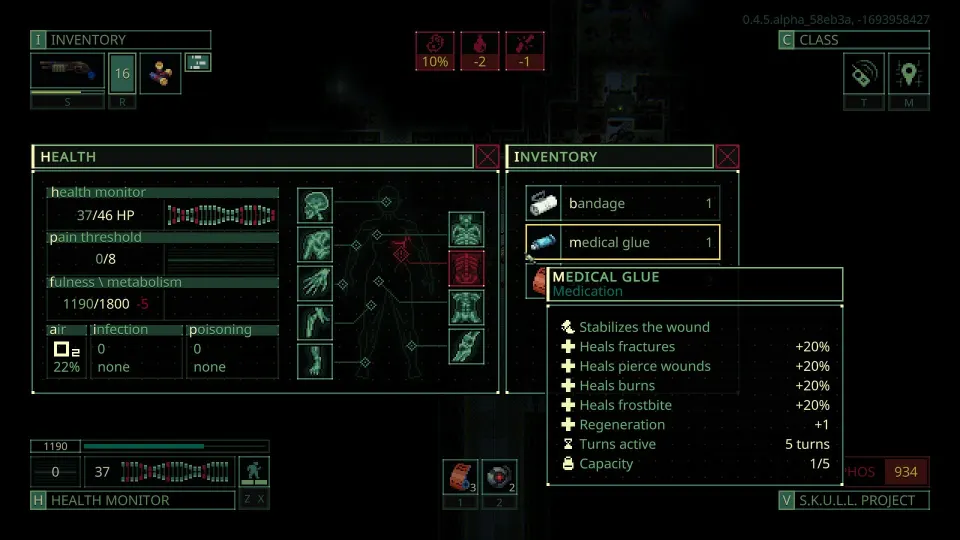
| Bleeding prevention | Low health plus bleed can end a run with little warning | More turns available to retreat or heal |
| Light, flexible equipment | Early missions reward mobility and adaptable loadouts | Easier extraction and less inventory strain |
The goal is not to make Yan invincible. The goal is to make every turn predictable enough that a bad situation becomes an extraction decision instead of a surprise death.
Core Jan Build Setup
Start with a light combat package rather than chasing expensive armor too early. Yan benefits most from carrying tools that support scouting, fast target removal, and recovery after a mistake. A compact loadout also leaves room for mission loot, medical supplies, and replacement ammunition.
| Slot | Recommended role | What to look for |
|---|---|---|
| Primary weapon | Close-to-medium range threat removal | A weapon with dependable burst damage |
| Secondary weapon | Backup for tight rooms or low ammo | Fast handling and common ammunition |
| Armor | Survival without excessive burden | The best protection available that preserves mobility |
| Vest | Inventory management | More quick slots for medicine, ammo, and utility |
| Medical items | Stabilization | Bleed treatment and emergency healing |
| Utility | Scouting support | Items that improve information or help manage routes |
Do not assume an operator class automatically grants extra vest capacity. Quick-slot space comes from the vest itself, while operator perks are shown separately. Check the equipment screen before planning around a specific number of slots.
A useful early sequence is:
- Equip your best reliable firearm, not simply your highest-damage weapon.
- Bring enough ammunition for a protracted fight, then reserve inventory room for supplies.
- Put healing and bleed control in accessible quick slots.
- Carry a secondary weapon if your primary is poor in cramped corridors.
- Avoid committing irreplaceable gear when the operator is underleveled or already injured.
Shotguns and high-fragmentation weapons can be tempting against armored or dangerous targets, but they can fail if every pellet is needed to stop one enemy. Keep a weapon that can make consistent single-target kills when a Jaguar Knight, spider, or other immediate threat is close.
Mission Tactics and Positioning
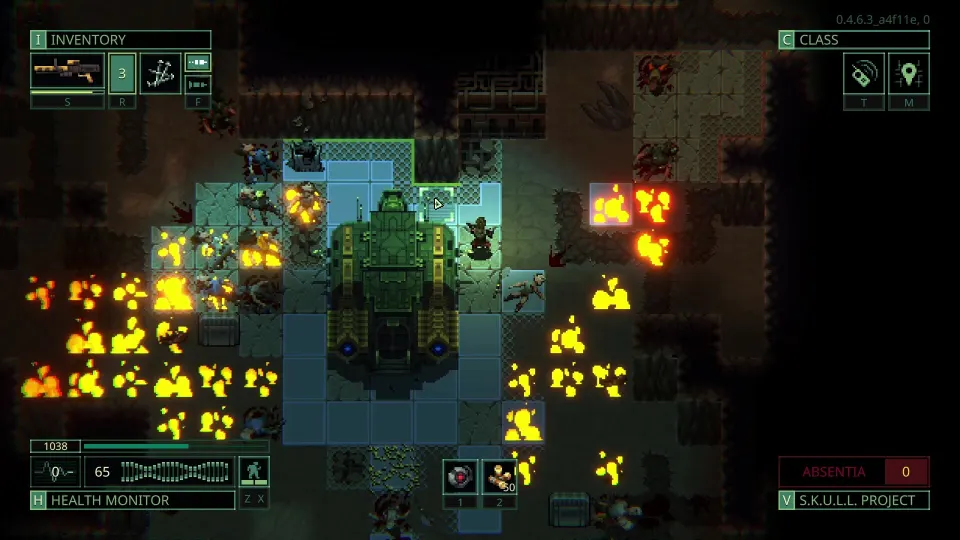
Yan’s build succeeds through disciplined room clearing. Before using stealth, opening an important interface, or spending action points on loot, verify the spaces behind and beside you. Enemies do not always arrive from the direction where the previous fight occurred.
| Situation | Best response | Avoid |
|---|---|---|
| A corridor fight just ended | Check adjacent doors and rear angles | Assuming the cleared direction is the only danger |
| An elite appears at short range | Use your strongest immediate attack | Saving ammunition for a fight that may never happen |
| You are bleeding with low action points | Stabilize, retreat, or extract | Taking one more risky exchange |
| A mission looks above your current gear level | Farm upgrades and supplies first | Treating every contract as mandatory |
| A VIP escort becomes dangerous | Secure the VIP while clearing routes | Exposing the client during every engagement |
Stealth checks are useful, but they are not a substitute for visual discipline. A failed moment of awareness can be devastating when an enemy attack removes your turn. If you are close to death, the right move is often extraction, even if valuable loot remains.
For escort contracts, prioritize contract completion over elegant combat. Keep the VIP away from open lines of fire, use safe rooms as temporary holding areas when needed, and clear only the routes necessary to reach the objective. Quasimorph allows unconventional solutions; surviving with an awkward plan is still succeeding.
The same principle applies to faction operations and story missions. Later content can have fixed, punishing encounters with huge enemy counts. Delay those missions until Yan has better health, armor, medicine, and weapons. There is no reward for forcing a difficult operation with a fragile roster.
Progression, Ship Upgrades, and Risk Control
A Jan build is only as durable as the wider campaign supports it. Ship progress provides the resources, navigation, storage, and manufacturing options that make dangerous contracts less desperate. Early upgrades should support repeated successful missions rather than chase a single late-game payoff.
| Campaign need | Useful priority | Reason |
|---|---|---|
| Operator durability | Improve health and medical capacity | More room to survive damage and bleeding |
| Contract readiness | Gather armor, weapons, and ammunition | Raises the baseline for hard operations |
| Navigation options | Preserve resources needed for travel systems | Prevents progression from stalling |
| Ship scanning | Seek a geoscanner when available | Supports floor scanning and item discovery |
| Material growth | Trade for scarce upgrade components | Reduces reliance on lucky drops |
Health upgrades are particularly valuable for Yan and other low-health operators. A mission can be manageable at full health yet become nearly impossible after an unexpected hit. Build a reserve of medical supplies before taking missions that have long maps, dense enemy groups, or elite threats.
Be selective about hangar and capsule investments. A capsule may be convenient, but it is not always the upgrade that changes your odds in the next mission. Navigation resources, better equipment, and medical development can have a larger immediate effect.
Cloning rules also shape this build. If chips are lost on death or required for cloning, Yan’s survival becomes a long-term campaign concern instead of a short-term setback. Treat rare gear and experienced operators accordingly. When your run is going well, do not turn a stable extraction into a gamble for one more container.
Pacts and genome modifications can eventually create extremely powerful operators, including unusual action-point or resource-management advantages. They are permanent systems with potential costs, so they should enhance an already reliable core build rather than compensate for reckless positioning.
FAQ
Is “Jan” the same operator as Yan?
For a Quasimorph Jan build, players generally mean Yan. Focus on Yan’s scouting, survivability, strong immediate damage, and careful positioning.
What weapon should Yan use?
Use the most dependable weapon available for the mission’s range and enemy type. A hard-hitting burst option is valuable for emergencies, but carry a secondary firearm when tight rooms or ammunition problems could make the primary unreliable.
Should I wear heavy armor early?
Use the best protection you can support without sacrificing the mobility, inventory space, and supplies needed to finish the mission. Light gear is often safer than overcommitting to expensive equipment before your campaign economy is stable.
When should I attempt difficult story missions?
Wait until your operators have improved health, suitable armor, enough medicine, and reliable weapons. Fixed story encounters can be far more demanding than ordinary contracts, so preparation is part of the build.