Why Frame Armor Choices Matter
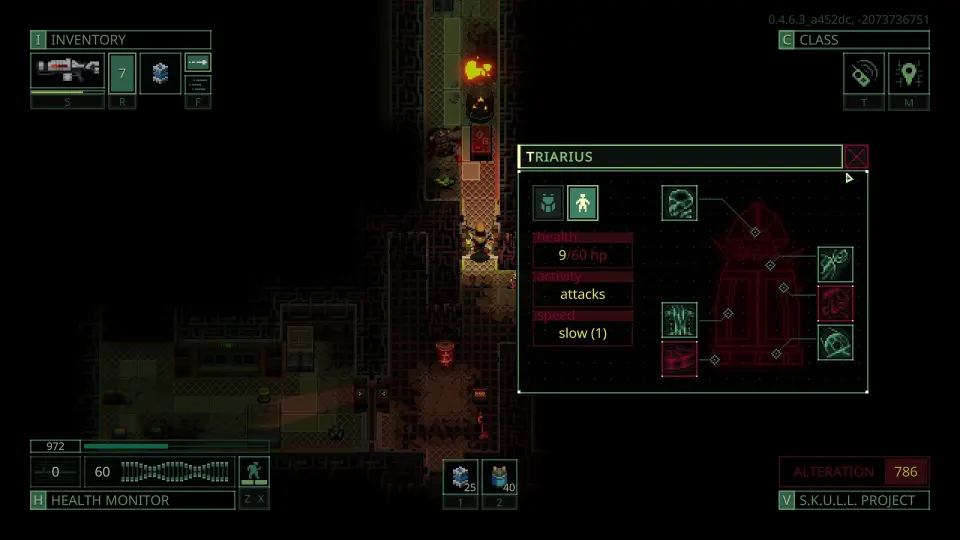
Frame armor can keep a clone alive through a dangerous exchange, but its weight can also make that exchange much more likely. In Quasimorph, protection is only one part of survival: evasion, distance, enemy accuracy, weapon type, and status effects all matter.
That makes quasimorph frame armor a loadout decision rather than an automatic upgrade. A heavier setup may reduce incoming damage, yet a large evasion penalty gives enemies more reliable hits. This is especially dangerous against weapons that fire multiple shots per attack.
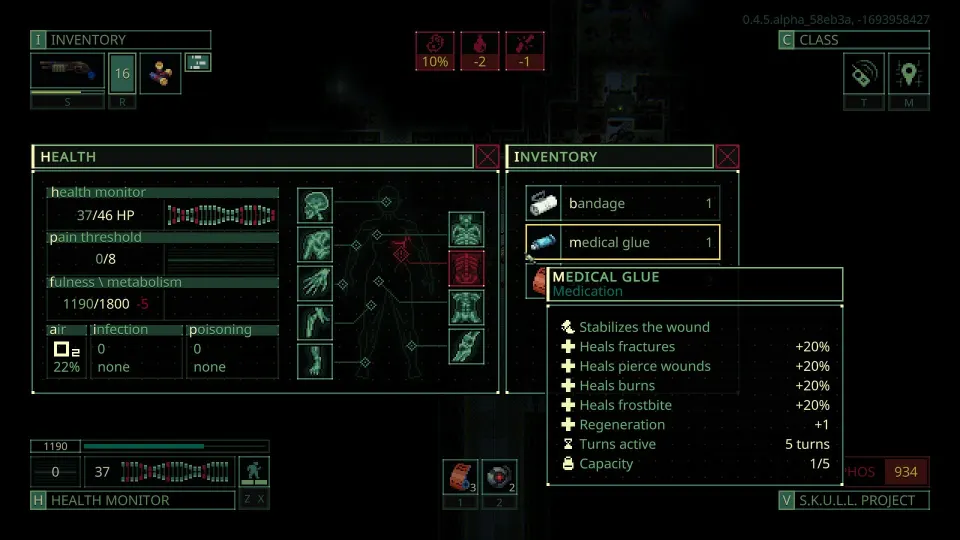
Use the armor screen as a complete defensive summary, not just a search for the largest resistance number. Compare the protection it provides with the weight it adds, then consider whether your clone has room to carry ammunition, medical supplies, and extraction loot.
| Defensive factor | Why it matters | Practical takeaway |
|---|---|---|
| Armor resistance | Reduces damage of matching types | Match protection to expected threats when possible |
| Weight | Can lower evasion | Avoid becoming an easy target for burst weapons |
| Evasion | Affects how often attacks connect | Keep it healthy when facing automatic weapons |
| Range | Changes weapon damage effectiveness | Fight from positions that reduce enemy damage |
| Status buildup | Can punish repeated hits | Do not treat low individual damage as harmless |
How Weight and Evasion Change Survival
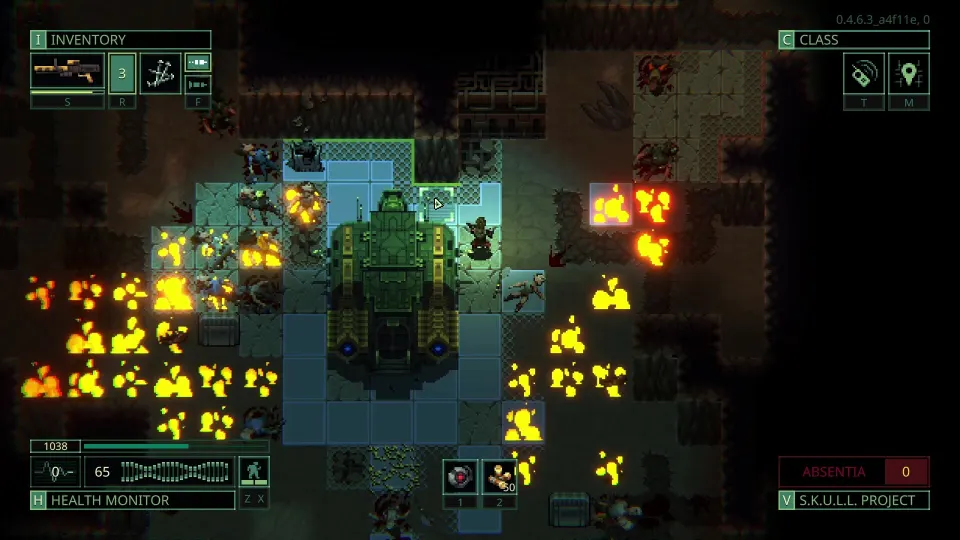
Heavy armor is not always bad, but it asks more from your positioning. When evasion becomes heavily negative, enemy accuracy can rise enough that attacks which normally miss begin landing consistently. A weapon with several pellets or rounds can then turn one enemy action into a chain of damaging hits.
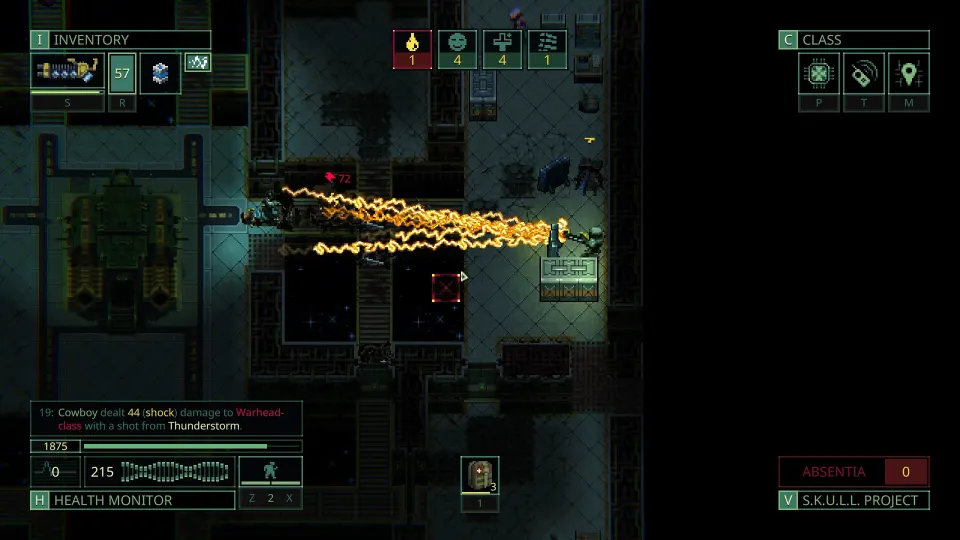
Shotguns and burst-fire weapons are particularly punishing. Even modest damage per projectile becomes serious when many projectiles connect, especially if critical hits or injuries enter the equation. Pain and injuries can compound a situation before raw health damage looks alarming.
Frame armor is more appealing when its protection solves a real threat that you cannot safely avoid. It is less appealing when you are relying on speed, cover, spacing, or evasive movement to survive.
Before committing to a heavy armor setup, check these points:
- Is your evasion still high enough to prevent regular hits?
- Are you entering tight interiors where enemies can fight at ideal range?
- Do expected enemies use burst fire, shotguns, or rapid-fire weapons?
- Can your weapon remove threats before they close distance?
- Will the added carry weight prevent you from extracting valuable loot?
| Loadout approach | Strength | Main risk | Best use |
|---|---|---|---|
| Light armor | Better mobility and evasion | Lower protection after a hit lands | Scouting, ranged fights, loot-heavy missions |
| Balanced armor | Reliable general defense | May not specialize against major threats | Most routine contracts |
| Heavy frame setup | Stronger direct protection | Low evasion and restricted carry capacity | Planned combat-focused operations |
| Specialized resistance setup | Useful against known damage types | Can be weak outside its intended matchup | Missions with predictable enemies |
Damage Types and Threats Armor Cannot Ignore
Resistance remains important, but it does not make a clone invulnerable. Quasimorph weapons can deal different damage types, and some have effects that bypass the simple idea of “more armor equals safety.” Penetration, armor damage, radiation, burning, and injury-related effects can all change the result of a fight.
A highly resistant frame may still fail if an enemy weapon penetrates armor or creates dangerous status buildup. Radiation damage and corrosive effects deserve particular caution because the problem may extend beyond immediate health loss. A successful hit can also cause an injury, and severe injuries may create consequences that ordinary resistance does not fully solve.
Some weapons are dangerous because they become more lethal over repeated fire. Others are dangerous because their hit chance is unusually reliable. Laser-sighted attacks, for example, can be difficult to evade even if they do not produce critical hits in the usual way.
| Threat pattern | Why it challenges armor | Response |
|---|---|---|
| Burst or automatic fire | Multiple hits can overwhelm protection | Preserve evasion and break line of sight |
| Shotgun attacks | Many pellets can connect at close range | Keep distance and avoid doorway ambushes |
| Armor penetration | Protection may be partially bypassed | Eliminate the enemy quickly or disengage |
| Burning or radiation | Repeated hits can build dangerous effects | Avoid prolonged exposure and carry treatment |
| Corrosive attacks | Can damage armor while harming the clone | Do not rely on a single damaged defensive layer |
| Explosives | Evasion may offer limited protection | Use cover, spacing, and careful door discipline |
The practical lesson is to identify the weapon before you assume the armor is enough. A quiet enemy at long range can be manageable, while the same enemy waiting behind a door may be lethal at close range. Damage falloff means range can dramatically change an encounter’s outcome.
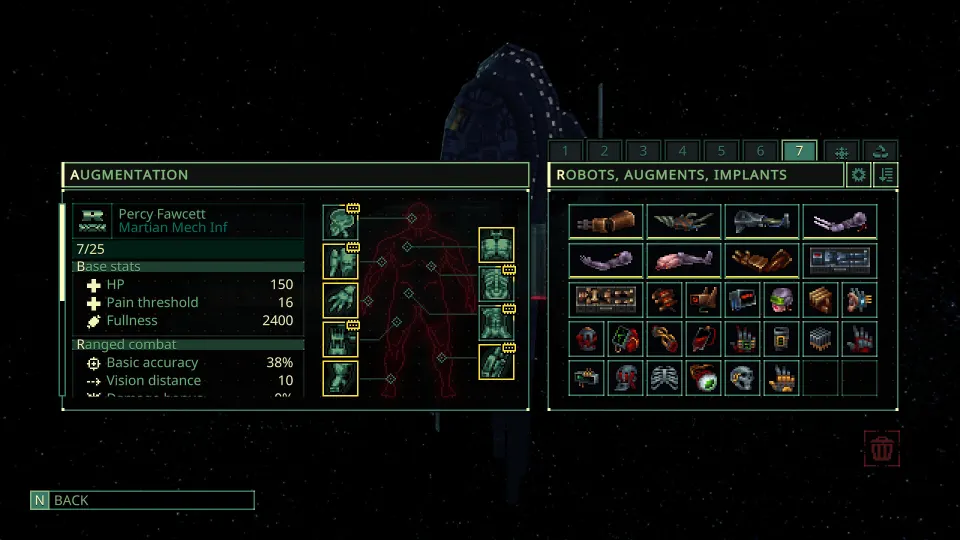
Building Around Frame Armor
The best quasimorph frame armor setup is one that supports your plan for the mission. Build around the armor’s strengths instead of trying to make one suit answer every possible danger.
If the frame is heavy, lean into controlled engagements. Carry a weapon that can end fights efficiently, avoid opening unknown doors without a plan, and use distance whenever possible. A high-protection loadout should not become an excuse to stand in the open against repeated fire.
If the frame leaves your evasion low, prioritize tools that reduce the number of attacks enemies get. Good positioning, sightlines, choke points, and early target selection become more valuable than marginal increases in resistance.
Consider this simple decision process:
- Check the armor’s weight and its effect on your current evasion.
- Review the mission’s likely enemies and damage types.
- Decide whether you expect close-quarters fights or ranged engagements.
- Reserve carrying capacity for healing, ammunition, and extraction needs.
- Replace damaged or unsuitable armor before a high-risk deployment.
Armor upgrades can be useful, but they should be evaluated like weapon upgrades: improve a meaningful strength rather than spending scarce resources on a piece that will soon be replaced. Weight reduction can be valuable when it improves evasion or restores useful carrying capacity. Defensive upgrades are strongest when they address a threat you actually encounter.
Do not spend valuable unlock resources blindly on upgrades if you still need to unlock equipment options. New equipment can offer larger improvements than forcing a lower-tier item into a higher-tier role, especially when its underlying drawbacks remain unchanged.
| Upgrade priority | When it is worthwhile | When to skip it |
|---|---|---|
| Resistance | You routinely face a matching damage type | The mission threats vary widely |
| Weight reduction | It meaningfully improves evasion or capacity | The reduction does not change your build |
| Durability or condition | You depend on the item across long operations | A replacement is already available |
| Broad investment | The armor remains useful across several missions | It is a temporary early-game stopgap |
FAQ
Is quasimorph frame armor always better than lighter armor?
No. Frame armor can provide valuable protection, but a large weight penalty may reduce evasion enough to make incoming attacks much more reliable. Compare the full defensive outcome, not resistance alone.
Why do I take so much damage despite wearing armor?
Multiple hits are often the problem. Burst weapons, shotguns, and rapid-fire attacks can land repeatedly when evasion is low. Penetration, critical hits, injuries, and status effects can also make an armored clone fall quickly.
Should I use frame armor for close-range missions?
It can work well if the protection matches the mission’s threats, but close range is also where shotguns and burst weapons are most dangerous. Use cover, avoid careless door openings, and do not assume armor can absorb unlimited fire.
Is reducing armor weight useful?
Yes, if the change improves your evasion or frees enough capacity for medical items, ammunition, and loot. A lighter setup that prevents several hits can be more valuable than a small increase in resistance.