What Pacts Do and Why They Matter
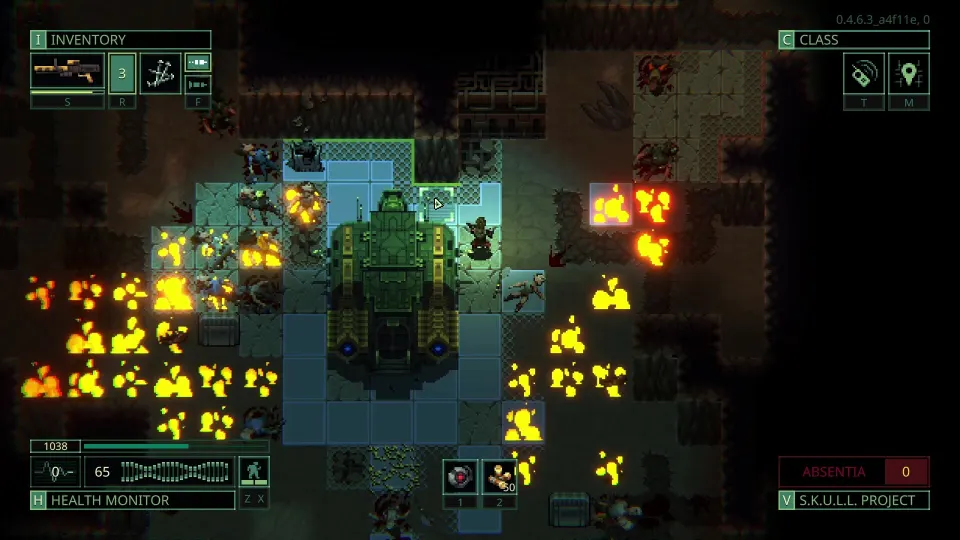
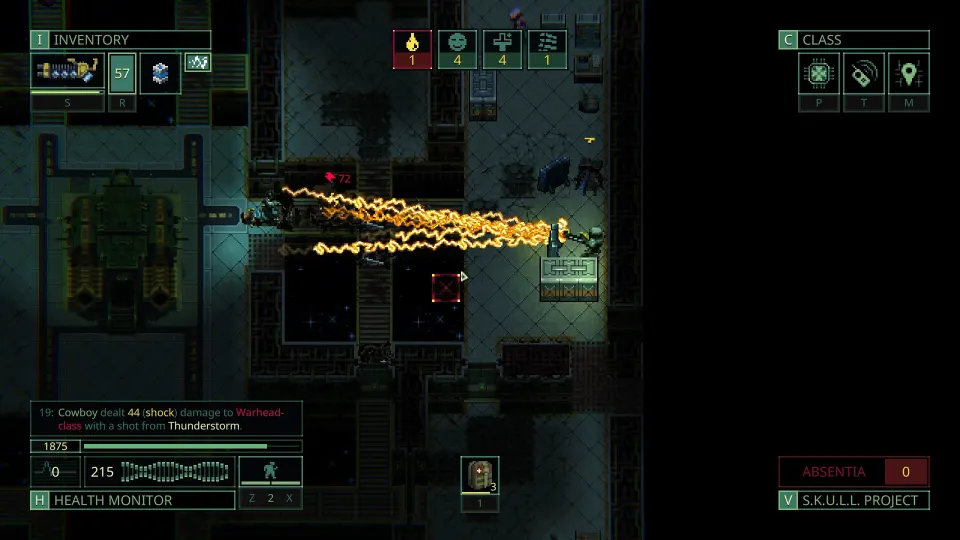
Pacts can rescue a desperate mission, but every activation raises their long-term cost. A pact gives an operator a powerful active ability while its Bane system creates permanent pressure that survives death and cloning.
Think of a pact as a supernatural implant with a rechargeable skill. Depending on the pact, it may deal damage, summon support, alter positioning, create protection, or change how a fight develops. Its worth depends on both its ability and the Bane family connected to its Bramfatura.
An operator can have only one bound pact. Once absorbed, it remains attached until deliberately broken. Do not bind every skull you find: choose one that suits the operator’s job and whose drawbacks you can manage.
| Pact feature | What it means | Practical takeaway |
|---|---|---|
| Active ability | A usable combat or utility effect | Save it for turns that change the mission |
| Pact Charge | Fuel needed to activate the pact | Raise Quasimorphosis only when worth the risk |
| Bane | A permanent penalty strengthened by use | Treat repeated casts as a campaign decision |
| Tier | Higher tiers are usually rarer and stronger | Greater power can bring faster Bane growth |
| Binding | Persists through cloning | Give it to a long-term operator |
Pacts are optional. Sound positioning, weapons, and supplies can clear missions without them. Their real strength is as a deliberate emergency advantage, not a button to press whenever it becomes available.
Finding and Binding a Pact
The most dependable pact source is a Baron. Defeating one can yield a skull-like pact item, although Barons can use pacts themselves and may turn an ordinary encounter into a dangerous fight.
Pacts can also appear on certain enemy mercenaries, through Quasimorph-related rewards, and from Magnum progression. The strongest Tier IV and V options are associated with advanced Bramfatura descents after unlocking the relevant Magnum systems.
Absorb a pact from the appropriate operator inventory. Binding is not a temporary loadout decision: it remains after the operator dies and is cloned. An established specialist is usually a safer recipient than a recruit whose build may change.
| Acquisition route | Typical requirement | Notes |
|---|---|---|
| Baron kill | Defeat a Baron | The Baron may activate pact abilities |
| Pact-bearing enemy | Defeat an eligible enemy | Less predictable than Baron hunting |
| Quasimorph rewards | Complete applicable work or exchanges | Depends on campaign progression |
| Pact reforging | Use a skull and ritual components | Can improve, alter, weaken, or destroy it |
| Bramfatura descent | Unlock advanced Magnum progression | Key route for the highest tiers |
Before binding, ask:
- Does this ability solve a problem this operator commonly faces?
- Can this operator tolerate the associated Bane family?
- Do you have Quasimorphic Data or a Pact Breaker if it goes wrong?
That final question is especially important early on. Recovery options let you learn a pact’s limits without permanently damaging a favorite operator.
Charging Pacts and Managing Banes
Pacts charge when Quasimorphosis rises during a mission. Items that increase the meter can also provide charge, even if the meter is already at maximum.
This creates a useful tradeoff. More Quasimorphosis can make the mission and its enemies worse, but it also prepares your pact. Charge before a difficult objective, defended room, or Baron fight instead of raising the meter for a trivial cast.
Absentia missions are the major exception. Pacts cannot gain new charge there, although stored charge remains available. If your plan depends on a pact, enter an Absentia mission with a charge ready.
| Situation | Pact Charge result | Recommended response |
|---|---|---|
| Quasimorphosis rises | Charge increases | Plan a valuable activation |
| Meter is full | Charge can still increase | Maximum meter does not stop charging |
| Quasimorphosis item used | Can add charge | Spend it only for a meaningful advantage |
| Absentia mission | No new charge | Enter with charge if needed |
| Pact activated | Bane Charge increases | Avoid low-impact casts |
The Bane is the true cost. First use begins a permanent negative effect linked to the pact’s Bramfatura. Additional uses raise hidden Bane Charge, intensify existing Banes, and eventually add more. An operator can carry up to five Banes.
Bane families differ greatly. Shartamakhum can increase calorie use, empower enemies, create deceptive elevators, or cause dangerous enemy movement. Gannix can worsen wounds, summon hostile squads, improve enemy healing, or let enemies recover after death. Duggur commonly harms equipment, ammunition, consumables, and loot.
| Bramfatura | Examples of Bane pressure | Best response |
|---|---|---|
| Shartamakhum | Hunger, stronger enemies, deception | Carry supplies and avoid reckless exploration |
| Gannix | Wounds, reinforcements, healing, revival | Prioritize decisive kills and safe exits |
| Duggur | Gear wear, extra item use, reduced shots | Bring redundant tools and ammunition |
| Ur | Guarded exits, faster Quasimorphosis, aggression | Preserve mobility and an exit route |
Quasimorphic Data can reduce Bane Charge, making it valuable for operators you intend to keep. A Pact Breaker is the complete reset: it removes both the pact and its Banes. Use one when the pact’s accumulated cost outweighs its ability.
Reforging Pacts Without Wasting Skulls
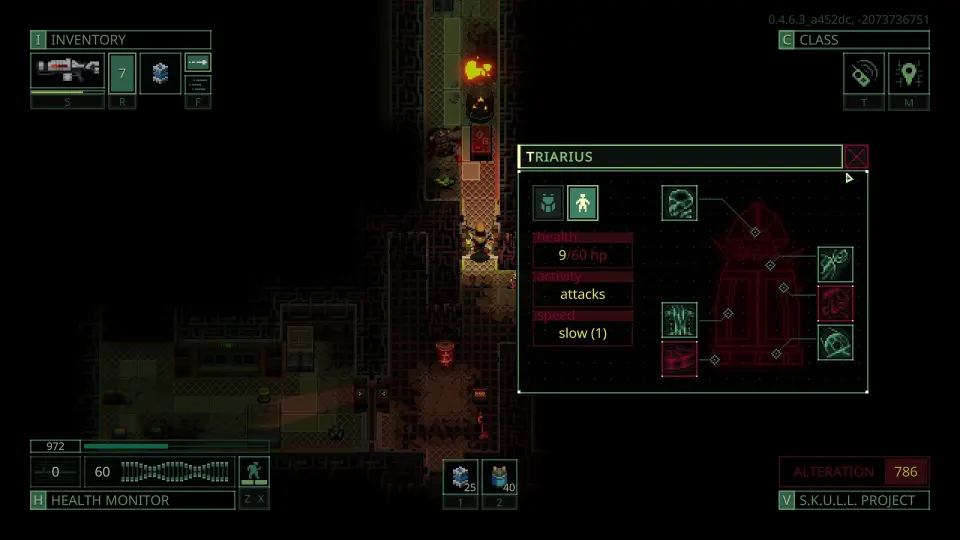
Pact reforging lets you risk one skull and five Quasimorphic components for a different result. Use it to improve a pact worth keeping, sidegrade an unwanted ability, or gamble with duplicates.
The ritual calculates total Power and Stability. Every component contributes both values, modified by its essence affinity with the previous clockwise component and the skull in the center. Relevant ship upgrades can add flat bonuses.
High Power plus high Stability favors an upgrade. Extra Power is wasted once its effective percentage reaches the cap, so lower-tier rituals often benefit more from dependable Stability than enormous Power totals.
| Reforging result | What happens | When it is acceptable |
|---|---|---|
| Jackpot | Skips two upgrade steps | A fortunate bonus, not a plan |
| Upgrade | Produces the next tier | Best result for a useful pact |
| Sidegrade | Produces another pact of the same tier | Useful when seeking another ability |
| Downgrade | Produces a lower-tier pact | Accept only with spare material |
| Disenchant | Destroys the skull for a consolation item | The outcome Stability helps avoid |
The outer component ring has direction: read it clockwise. Each component is modified by the one immediately before it, so rearranging identical materials can change the odds. Some affinity links favor Power, while others favor Stability.
A practical reforging routine:
- Check the skull’s tier requirement and displayed outcome chances.
- Add stable components until the disenchant risk is acceptable.
- Improve Power through favorable affinity links.
- Recheck percentages after every replacement.
- Stop adding Power when it no longer improves the result.
For lower tiers, favor a reliable upgrade over an unstable elaborate chain. Higher tiers require more Power and Stability, so affinity planning matters more. Save rare components for pacts that will actually improve your roster.
FAQ
How do I get a pact in Quasimorph?
Defeat a Baron and loot its pact skull, find one on eligible enemies, earn one through Quasimorph-related rewards, or gain one through later Magnum progression. Baron kills are the most direct route.
Do pacts remain after an operator dies?
Yes. A bound pact survives death and cloning. It is removed only by breaking the pact, which also clears its Banes.
Why will my pact not charge?
Check for Absentia. Pacts retain existing charge in Absentia missions but cannot gain more. Otherwise, Pact Charge increases as Quasimorphosis rises.
Is reforging always worthwhile?
No. Reforging can downgrade or disenchant a skull. It is best for duplicates, unwanted abilities that may sidegrade well, or favored pacts with enough Stability to justify the risk.
What is the safest quasimorph pact guide rule for Banes?
Activate a pact only when its effect prevents more danger than its Bane will create later. Keep Quasimorphic Data or a Pact Breaker available before making a pact central to an operator’s routine.